Do I need to replace my existing marketing agency?

No. RankWit works alongside your current team, whether in-house or agency.
We handle the AI visibility layer that traditional partners aren't equipped for, and we share everything we do so your team stays in full control.

Last updated at  
April 16, 2026
Other FAQ
How are large language models used in modern search engines, digital platforms, and AI-powered applications?
Arrow

Large language models power many modern technologies, including AI assistants, conversational search systems, automated content generation, and customer support tools. Their ability to interpret natural language allows digital platforms to deliver more intelligent and interactive experiences.

Read More
ArrowArrow right blue
How can implementing schema markup and entity optimization improve a website’s visibility in modern AI-driven search engines?
Arrow

Schema markup provides structured information that helps search engines and AI models interpret your website more accurately. When combined with strong entity signals, it can improve indexing, enable rich search features, and increase the likelihood of being referenced in AI-powered search experiences.

Read More
ArrowArrow right blue
How is the destination’s presence on Artificial Intelligence platforms monitored?
Arrow

We run target prompts from potential tourists on all major AI platforms (weekly) and track exactly where, how, and why your destination is mentioned.

You will receive a live dashboard showing:

  • Your AI Share of Voice compared to competing destinations
  • Citation trends across different territorial assets (culture, food, outdoor)
  • Which search intents are driving interest toward the territory

Read More
ArrowArrow right blue
How can B2B companies adapt their digital marketing strategies to remain visible in AI-powered search engines and generative search platforms?
Arrow

To stay visible in AI-powered search environments, B2B companies must optimize content for semantic relevance, entities, and machine-readable signals. This includes creating authoritative content, implementing structured data, and building strong topical authority so AI systems can accurately understand and reference their expertise.

Read More
ArrowArrow right blue
How often does RankWit update AI visibility data?
Arrow

RankWit refreshes your AI visibility data every 24 hours by default, ensuring you always have an accurate and up-to-date picture of how your brand appears across major AI platforms.

On top of this, depending on your plan:

  • Starter: Daily updates
  • Growth: Daily updates + priority refresh cycles
  • Enterprise: Real-time or custom-scheduled updates, ideal for large teams and high-volume monitoring needs

This update frequency ensures you can quickly spot changes in rankings, sentiment shifts, and competitor activity—allowing your team to respond proactively and maintain strong AI visibility.

Read More
ArrowArrow right blue
Why are brand mentions and media coverage important for visibility in AI-driven search environments?
Arrow

AI-powered search systems analyze brand mentions, citations, and references across the web to evaluate credibility. When a brand is consistently mentioned by authoritative sources, it becomes easier for AI systems to recognize its expertise and include it in search results or generated answers.

Read More
ArrowArrow right blue
When will we start seeing the first results for our destinations?
Arrow

Most tourism organizations see measurable improvements in AI citations and recommendations within 30–60 days.

Full and cumulative results typically emerge between 90 and 180 days, depending on the initial positioning of the territories and the complexity of the target tourism markets.

Read More
ArrowArrow right blue
What is Generative Engine Optimization (GEO)?
Arrow

Generative Engine Optimization (GEO), also known as Large Language Model Optimization (LLMO), is the process of optimizing content to increase its visibility and relevance within AI-generated responses from tools like ChatGPT, Gemini, or Perplexity.

Unlike traditional SEO, which targets search engine rankings, GEO focuses on how large language models interpret, prioritize, and present information to users in conversational outputs. The goal is to influence how and when content appears in AI-driven answers.

Read More
ArrowArrow right blue
What strategies and governance mechanisms can organizations implement to reduce algorithmic bias and improve transparency in search engine results?
Arrow

Our ethical search methodology focuses on the proactive elimination of bias. We use advanced semantic analysis tools to detect disparities in information delivery, ensuring users receive objective and verifiable answers. We believe that ethical search is, by definition, high-quality search.

Read More
ArrowArrow right blue
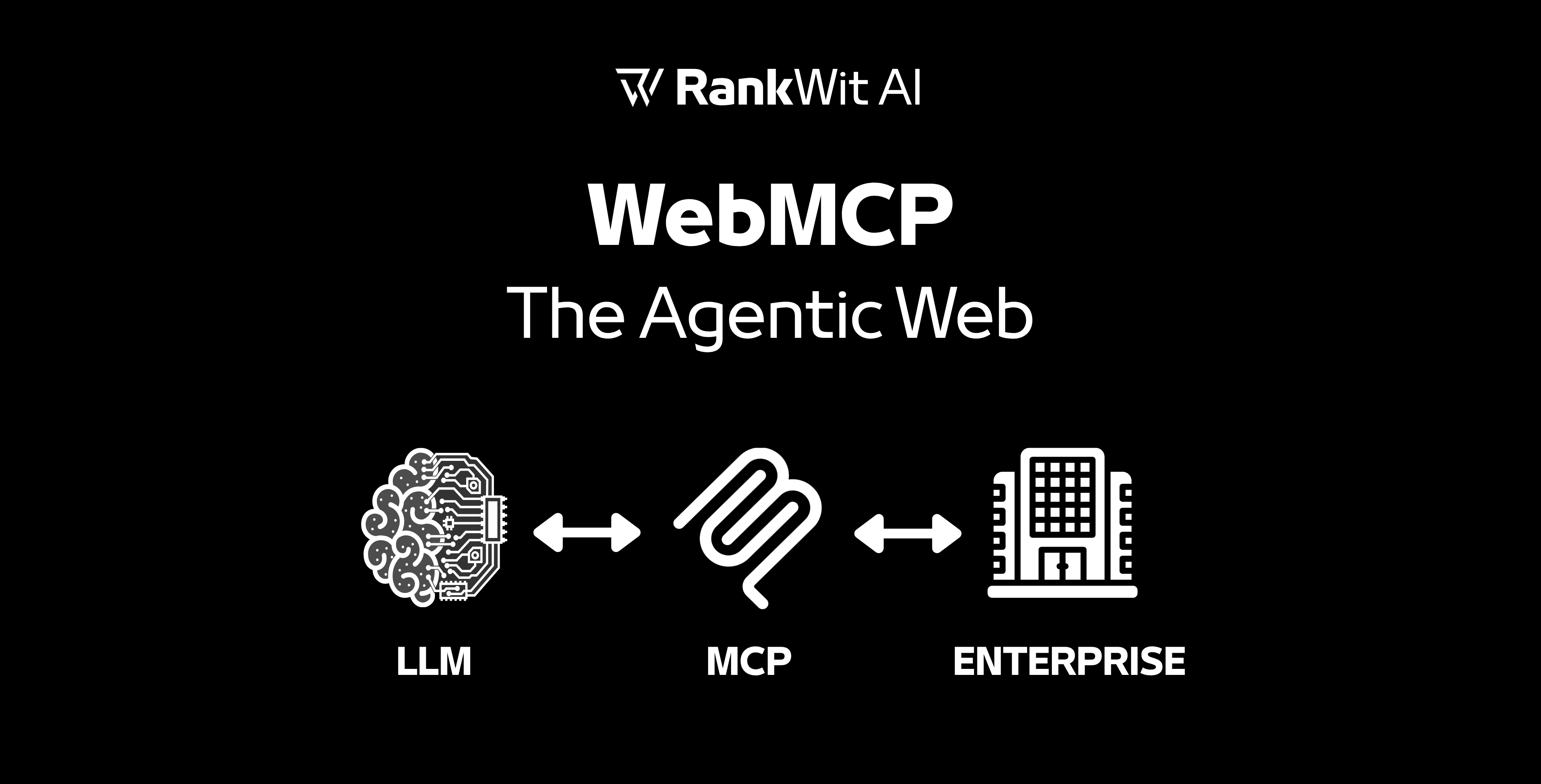
How does WebMCP handle user privacy and prevent AI agents from performing unauthorized actions?
Arrow

Security is baked into the protocol's core. Unlike "headless" automation, WebMCP operates within the user’s current browser session:

  • Consent Gate: The browser acts as a gatekeeper, prompting the user to approve tool calls.
  • Scoped Access: AI agents only see the specific tools the developer has explicitly registered via the webmcp-tools suite.
  • Authentication: It leverages the site's existing login and security protocols, ensuring the AI never bypasses standard safety measures.

Read More
ArrowArrow right blue

📚 Learn, Apply, Win

Stay inspired with the latest stories, tips, and insights.
Explore articles designed to spark ideas, share knowledge, and keep you updated on what’s new.