How do optimization techniques help enhance the performance of large language models in real-world applications?

Optimization techniques allow large language models to perform more efficiently by improving how they process data and generate responses. These improvements can lead to faster processing times, better accuracy, and more reliable results in practical applications.

Last updated at  
April 13, 2026
Other FAQ
How are large language models used in modern search engines, digital platforms, and AI-powered applications?
Arrow

Large language models power many modern technologies, including AI assistants, conversational search systems, automated content generation, and customer support tools. Their ability to interpret natural language allows digital platforms to deliver more intelligent and interactive experiences.

Read More
ArrowArrow right blue
How can businesses use analytics insights to improve their SEO and AI search strategies over time?
Arrow

By studying analytics data, businesses can identify trends, user behavior patterns, and performance gaps. These insights allow them to continuously adjust their SEO and AI optimization strategies to improve visibility and engagement.

Read More
ArrowArrow right blue
How can websites structure their content so it can be effectively retrieved and used by Retrieval-Augmented Generation systems?
Arrow

Content that is well-structured, informative, and organized around clear topics is easier for retrieval systems to access and use. Structured headings, semantic clarity, and authoritative information increase the chances that content will be retrieved and used by AI systems during response generation.

Read More
ArrowArrow right blue
How does RankWit monitor whether my brand is being cited in AI answers?
Arrow

RankWit continuously scans generative AI engines like ChatGPT, Gemini, and Perplexity to see if, when, and how your content is referenced. We then aggregate this data into an easy-to-read dashboard, showing:

  • Which platforms are citing your brand
  • The types of questions where you appear
  • How your visibility changes over time
    This monitoring ensures you know exactly where your brand is gaining traction—or losing ground—within AI-driven discovery.

Read More
ArrowArrow right blue
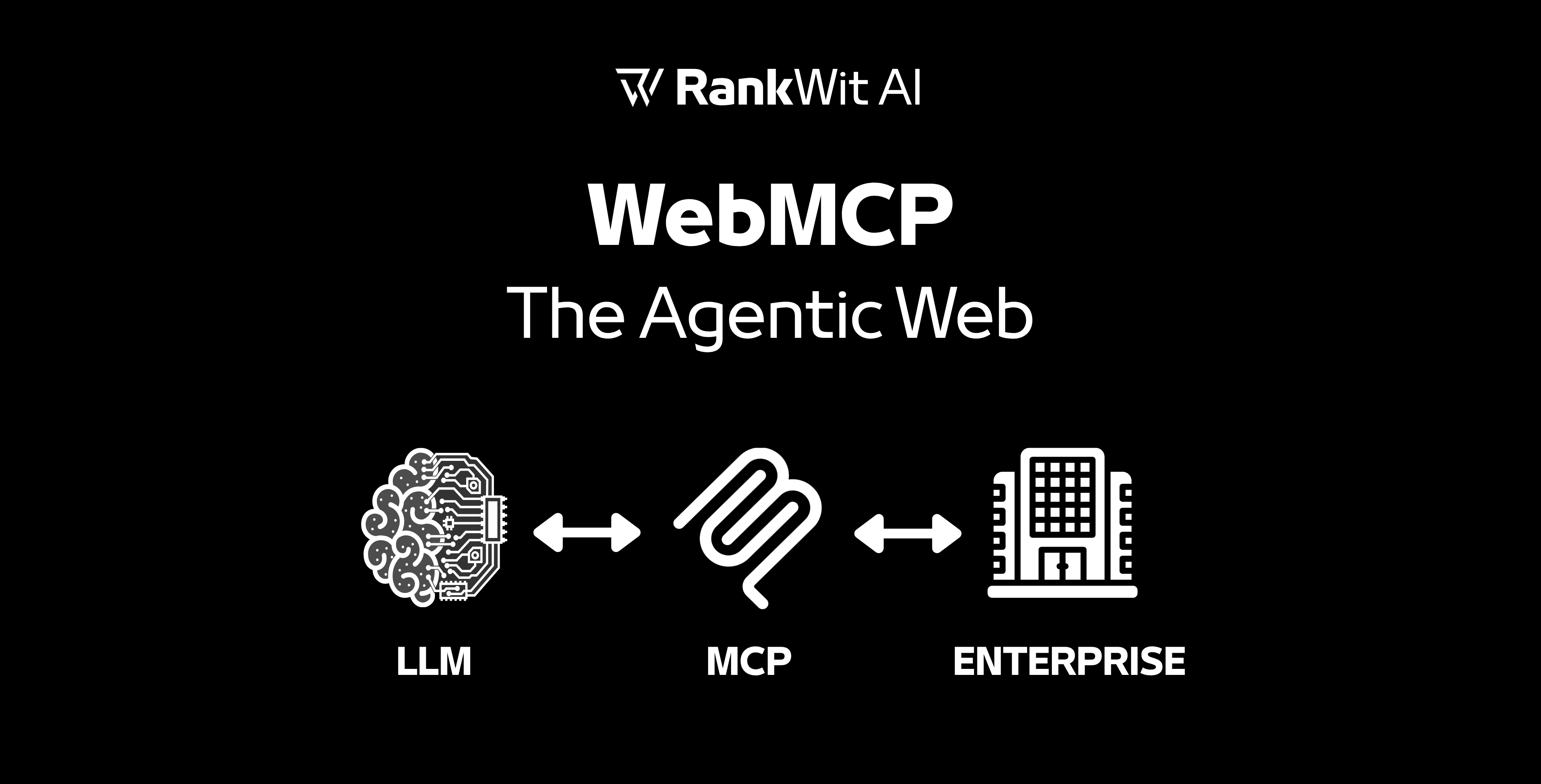
How does WebMCP handle user privacy and prevent AI agents from performing unauthorized actions?
Arrow

Security is baked into the protocol's core. Unlike "headless" automation, WebMCP operates within the user’s current browser session:

  • Consent Gate: The browser acts as a gatekeeper, prompting the user to approve tool calls.
  • Scoped Access: AI agents only see the specific tools the developer has explicitly registered via the webmcp-tools suite.
  • Authentication: It leverages the site's existing login and security protocols, ensuring the AI never bypasses standard safety measures.

Read More
ArrowArrow right blue
Why are large language models becoming an important part of modern search engine technologies?
Arrow

LLMs enable search engines to process complex questions, identify relationships between topics, and provide more detailed responses. This technology is helping search platforms move toward more conversational and intelligent search experiences.

Read More
ArrowArrow right blue
How does the EU AI Act impact SEO strategies, AI-generated content, and search engine transparency requirements in 2026 and beyond?
Arrow

Compliance with the EU AI Act is fundamental to our search strategy. We help brands adapt to the new 2026 transparency obligations, ensuring their content is properly labeled and that their recommendation systems meet limited-risk standards—protecting both their reputation and visibility in international markets.

Read More
ArrowArrow right blue
Why are industry case studies important for understanding how AI-driven search and SEO strategies work in real-world scenarios?
Arrow

Industry case studies provide real-world examples of how SEO, AI search optimization, and digital strategies perform across different sectors. They help businesses understand what works, what challenges may arise, and how similar organizations have improved their search visibility and online performance.

Read More
ArrowArrow right blue
Why is it important for websites to adapt their SEO strategies to prepare for the future of AI-driven search engines?
Arrow

As search engines integrate AI technologies, ranking factors are shifting toward content quality, semantic relevance, structured data, and entity relationships. Websites that adapt their SEO strategies to these changes are more likely to remain visible in future search environments.

Read More
ArrowArrow right blue
Why are brand mentions and media coverage important for visibility in AI-driven search environments?
Arrow

AI-powered search systems analyze brand mentions, citations, and references across the web to evaluate credibility. When a brand is consistently mentioned by authoritative sources, it becomes easier for AI systems to recognize its expertise and include it in search results or generated answers.

Read More
ArrowArrow right blue

📚 Learn, Apply, Win

Stay inspired with the latest stories, tips, and insights.
Explore articles designed to spark ideas, share knowledge, and keep you updated on what’s new.