📚 Learn, Apply, Win
Explore articles designed to spark ideas, share knowledge, and keep you updated on what’s new.
Within our ecosystem, we evaluate AI platforms based on real profitability criteria. We do not simply look for the most popular infrastructure, but for platforms that offer robust APIs, enterprise-grade data security, and native integration with existing systems to ensure immediate return on investment.
**Brand Mentions that drive action.** RankWit.ai continuously monitors the web for mentions of your brand, products, and campaigns across sources like news, blogs, forums, and social media. Each mention is analyzed for sentiment, authority, and relevance, so you can see not just where you’re discussed, but how it affects SEO and brand health.
**What you get:**
- **Real-time detection** of new mentions across a broad publisher set.
- **Sentiment and context** analysis to understand tone and potential risk or opportunity.
- **Impact ranking** that prioritizes high-value mentions by engagement potential, source credibility, and audience size.
- **Topic enrichment** to surface related keywords and content angles for optimization.
- **Alerts and digests** so you stay informed without noise.
**How to use Brand Mentions effectively**
1. **Set your brand and product keywords** to ensure comprehensive coverage.
2. **Filter by sentiment, platform, and authority** to focus on the signals that matter most.
3. **Action directly from the platform**: draft outreach, respond to feedback, or create content based on real conversations.
4. **Leverage insights for SEO**: identify backlink opportunities and topical gaps to strengthen content strategy.
5. **Track trends over time** to spot seasonal spikes and measure the impact of campaigns.
**Workflow quick-start**: enable Brand Mentions, configure keywords, set thresholds, and connect to your CRM or CMS for rapid response. For a guided tour, visit our [Try it now](/features) page and see Brand Mentions in action.
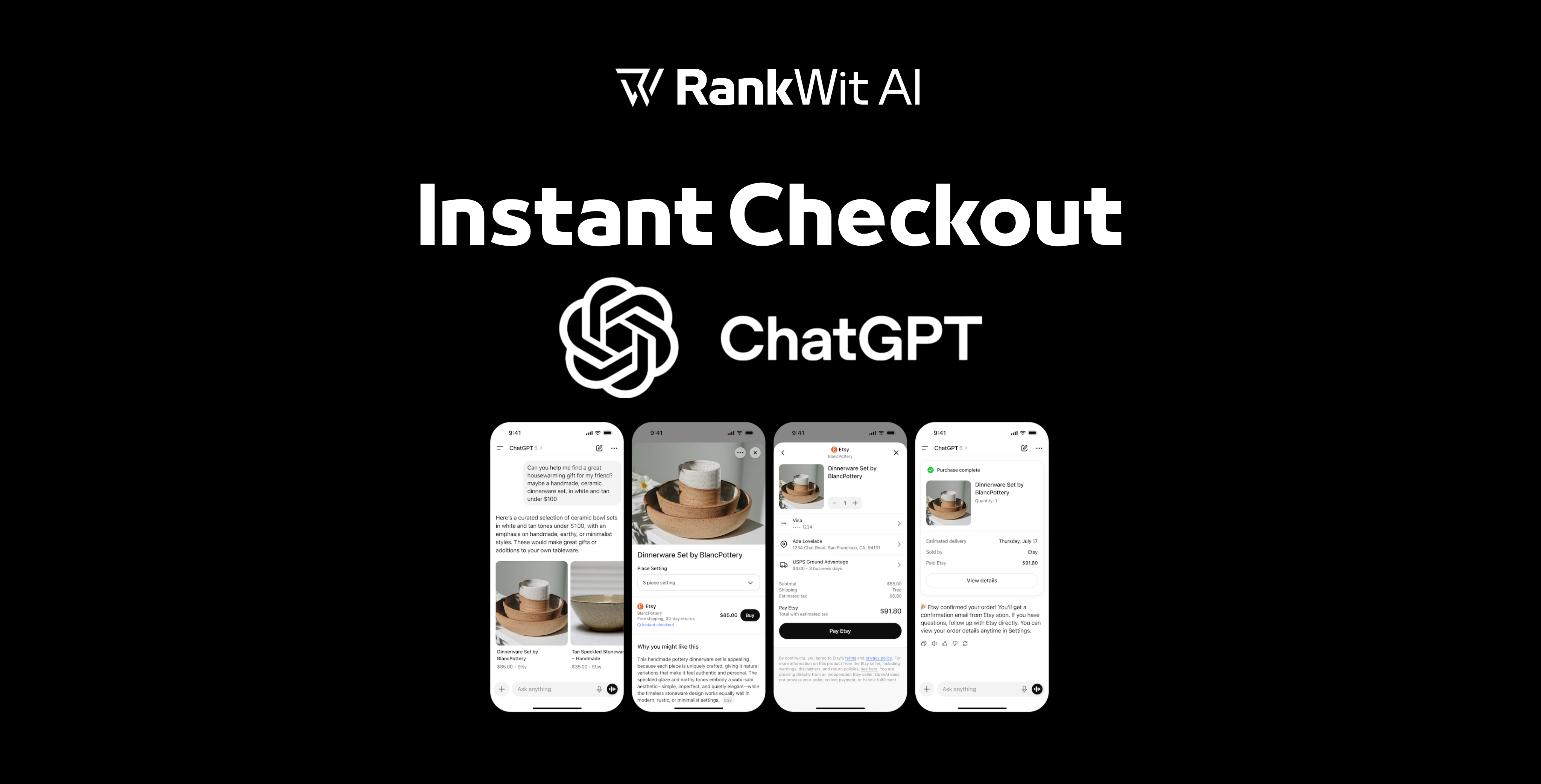
Shopping Research is a feature in ChatGPT that acts as a personalized shopping assistant.
Simply describe what you’re looking for, such as “a lightweight laptop for travel”, and ChatGPT gathers product details, reviews, specs, prices, and comparisons from the web.
You can refine the results by marking products as “Not interested” or “More like this”, helping ChatGPT understand your preferences.
At the end, you receive a custom buyer’s guide that explains the pros, cons, and trade-offs of each option, making your purchase process easier and more informed.
RankWit is designed for anyone who wants to maximize their brand’s visibility on AI platforms. The main users include:
- Freelancers: Stand out by offering clients AI-optimized content services.
- Agencies: Add GEO to your service portfolio and stay ahead of competitors.
- Brands: Protect and expand your presence so that AI cites your company, not someone else’s.
Whether you work independently or as part of a larger marketing team, RankWit provides tools to monitor, optimize, and grow in the age of AI search.
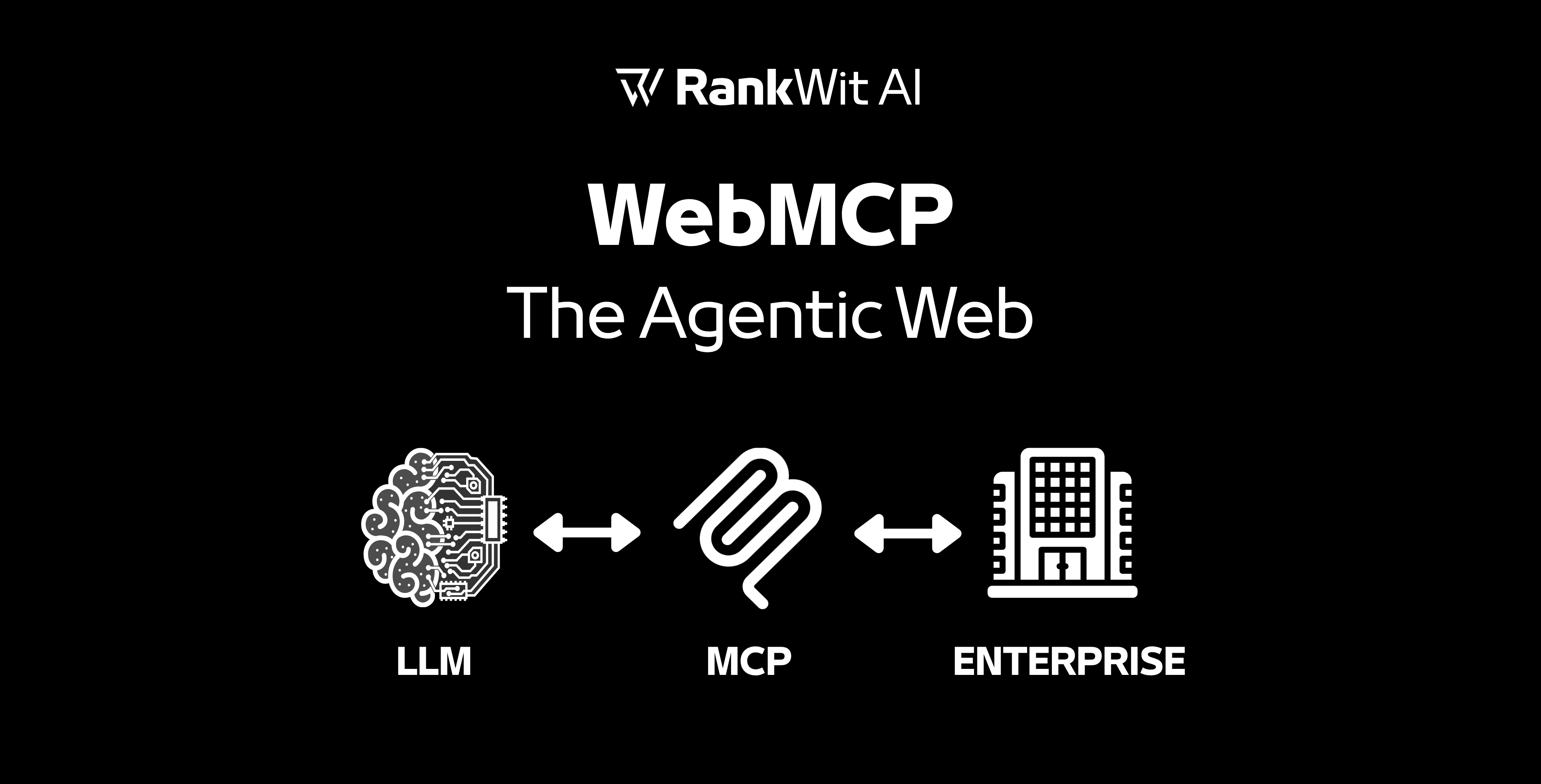
Traditional LLMs are limited by their training data "cutoff" dates. WebMCP bridges this gap by enabling Dynamic Context Injection:
Security is baked into the protocol's core. Unlike "headless" automation, WebMCP operates within the user’s current browser session:
webmcp-tools suite.
To stay visible in AI-powered search environments, B2B companies must optimize content for semantic relevance, entities, and machine-readable signals. This includes creating authoritative content, implementing structured data, and building strong topical authority so AI systems can accurately understand and reference their expertise.
Your privacy remains a priority when using Shopping Research.
ChatGPT does not send your personal information, queries, or preferences to retailers or third-party sites.
The tool simply gathers publicly available product information online, such as specifications, reviews, and prices, and organizes it into a personalized buyer’s guide for you.
You stay in full control, and no personal data is exchanged during the process.
GEO (Generative Engine Optimization) is not a rebrand of SEO—it’s a response to an entirely new environment. SEO optimizes for bots that crawl, index, and rank. GEO optimizes for large language models (LLMs) that read, learn, and generate human-like answers.
While SEO is built around keywords and backlinks, GEO is about semantic clarity, contextual authority, and conversational structuring. You're not trying to please an algorithm—you’re helping an AI understand and echo your ideas accurately in its responses. It's not just about being found—it's about being spoken for.